The average professorial laments – and remarks on reading. A reply to Steven Hales

Currently, there is a piece on “the average college student” (in the U.S.) making the rounds. It’s sparking both frustrated nodding about the problems in student performance and some eye-rolling about professorial arrogance.* Although I have met a number of students from the U.S., I have taught mostly in the Netherlands and in Germany, so my more positive experience might be owing to regional differences. But I’m not entirely sure. What’s perhaps most striking about the piece is that its merciless judgements are based on, well, not much exactly. In what follows, I’ll focus on Steven Hales’ remarks on reading, point out some problems, and then make some suggestions.

Hales’ section on reading starts by pointing out that “most of our students are functionally illiterate.” This is a drastic remark. Did he do tests? We are not told, but we get something like a definition detailing that this status amounts to being “unable to read and comprehend adult novels”. How the heck does Hales know? If he has any ways of learning about his students’ reading habits, he keeps them to himself. I’m left wondering how I would figure out what my students read. Well, of course I could ask them and sometimes indeed do. Could I judge from such conversations whether they “comprehend” the texts in question. That depends: partly on my own comprehension skills and partly on what students like to disclose. I remember my first shock when coming as a postdoc to Cambridge and being told by students as well as some colleagues that they had given up reading novels because there was only so much time – and that had to be spent on professional reading. What I’m saying is that there might be reasons for changing one’s reading habits, especially in academia, and it might be quite hard to figure out what a student actually thinks about their reading for pleasure, especially in a conversation with a professor. It’s not that I don’t believe Hales that at least some students don’t do the reading; it’s that Hales’ doesn’t tell us how he knows.

I’m not saying there are no ways of knowing or at least making educated guesses at what people read and comprehend. We do that all the time. So I’m not saying you need rigorous testing or anything like it to get an idea of whether someone read something and whether their reading aligns with yours. But given the drastic type of judgment, I’d expect a modicum of information about such ways. What this lack of information leaves me with is the assumption that the conversations informing Hales’ inferences about adult novels might have been quite superficial. Talking to my 8-year-old daughter about how she feels, I often get the reply “good”. If I don’t inquire further and about particular details, I’ll be left with that. More to the point, I know from my own student life that when a professor asked me something about my private endeavours or my thoughts on a text, I could become so shy that I would respond with utter nonsense. What now? Well, perhaps Hales did have thorough attempts at conversations about Richard Powers’ novels and he just doesn’t tell us. Perhaps some of these conversations didn’t go very well. The question to ask is: why! I’m not saying that Hales’ judgment is necessarily flawed, but I would expect it to be based on something – and the mere assertion that the average student is functionally illiterate suggests that something else is lacking here.

Since I like to inquire about reading habits among students and colleagues, I know that people can be become somewhat monosyllabic when you ask them about how they read. “I just, well, read,” is the reply I get most of the time. It takes time to tease out actual expectations from a genre or assumptions about the texts at hand. So what do you do when you think your students are bad at reading?

  • First of all, ask them about it. Better still, start a conversation. To steer such conversations, it’s helpful to bear in mind that acts of reading are first and foremost defined through the interaction between readers. Reading is as much about belonging (to a certain group) and relating to styles and attitudes as it is about texts. So when it comes to conversations, the ‘text itself’ is a long way off. It’s the interaction between readers that settles important prior questions: Whether you belong to the same group, share expectations or desires or frustrations etc. Above all, it takes trust to converse about literature.
  • A second point to bear in mind is that there is often a stark difference between reading, talking about reading, and performing relatedly in class. I might read all night through but never establish a comfortable way of talking about that in a semi-professional environment. Talking in front of peers or judgmental professors is quite different from enjoying reading. So, encourage such conversations very gently.
  • Finally, what we Gen X people recognise as a reading culture does not immediately translate into the contemporary environment rich with gamification of interaction. Hales is ready to identify phones as the culprit, but that strikes me as too quick. Even if it feels very alien, we have to make an effort to find the reading culture outside of the places in which we expect it. Even social media foster reading, e.g. in the form of “BookTok”.

So on the whole, many of the problems described might be owing to expectations being at odds. Of course, some people really don’t like to read. But if you call them “illiterate” it strikes me as setting a problematic example if all you offer is your very own word for it.

______

* See also the blogs Daily Nous and Leiter Reports for extensive discussion.

Leseszenen (2): The Cat in the Hat und die Vorlesevorbilder

Wenn ich meiner Tochter Hannah vorlese, dann kommen mir oft Vorlesevorbilder in den Sinn. Das heißt, ich denke dann gleichzeitig an andere Leute, die gut vorlesen, und frage mich, wie ich da wohl abschneide. Ich bin recht reich beschenkt: Neben meiner Mutter haben mir im Laufe der Jahre auch Freunde und Freundinnen vorgelesen. Und dann gibt es da noch die Stimmen von professionellen Vorlesern (ja, meist waren das Männer), wie etwa die von Hans Paetsch, in meiner Erinnerung. Zwar versuche ich meist nicht, die Stimmen zu imitieren, aber sie helfen mir bei der Intonation und der Rollenverteilung …

„Falsch lesen! So ist das langweilig“, ruft Hannah aus. Da ich fast schon wieder selbst eingeschlafen wäre, zucke ich etwas schuldbewusst zusammen. Hannah kennt die meisten Geschichten tatsächlich im Wortlaut auswendig und verlangt regelmäßig, dass ich hier und da falsche Namen, Gegenstände oder Handlungen einfüge. „Hannah brachte alles durcheinander“, lese ich. Aber Hannah lacht nur höflich. Dass ich ihren eigenen Namen benutze, fand sie anfangs echt lustig, aber jetzt muss ich mir schon was Besseres einfallen lassen. Gleichzeitig soll ich die Geschichte auch noch aus dem Englischen übersetzen, denn ihr Patenonkel hat ihr die englische Originalversion der Katze mit Hut geschenkt. Hannah ist davon wenig beeindruckt und schlägt vor, ein anderes Buch zu versuchen „Also wieder Mamma Muh?“ Das finde ich wenigstens selbst amüsant. „Lieber Pettersson und Findus – es liegt da, unter der grünen Jacke.“ Beim Aufrichten merke ich, dass mein Fuß eingeschlafen ist; ich stolpere Richtung Jacke. „Das dauert ja ewig!“ nörgelt es mir hinterher. Hannah ist viel zu wach. Vermutlich sollte ich „die kostbare Zeit“ genießen, aber im Hinterkopf formuliere schon wieder an der E-Mail herum, die ich heute noch abschicken will. „Da ist kein Buch“, gebe ich zurück, während ich die Jacke etwas zu lange anstarre, „aber hier liegt Mamma Muh.” – „Na gut.“

„Kühe leben doch nicht in Baumhäusern!“ Während ich die Krähe intoniere, denke ich an Hans Clarins Stimme. Gleichzeitig huscht mir Der Souffleur, ein altes Lied von André Heller, durch den Hinterkopf: „Hat sich das Herz nicht irgendwo gebunden“ kräht Heller, den aus Faust zitierenden Souffleur intonierend; und in meiner Erinnerung knistert die Schallplatte dabei. – Hannah dreht sich und versetzt mir unabsichtlich einen kleinen Tritt. „Die kostbare Zeit“ tönt es mir aus allen Elternratgebern der Welt entgegen, während mich der Tritt ins richtige Lesetempo zurückruft. Ob ich mich wohl an diesen Moment erinnern und Hannah mal davon erzählen werde? In meinem Kopf herrscht eine große Kakophonie. Wieder funkt mir die E-Mail beim Sinnieren dazwischen. „Nicht einschlafen!“ – „Natürlich nicht! Möchtest Du noch was essen?“ – „Ich hab doch schon Zähne geputzt!“ – Wer hat dieses Kind bloß so gut erzogen, frage ich mich, als ich mich zum letzten Drittel der Geschichte aufraffe, die ich fast „auf Autopilot“ lesen kann. Dank Hans Clarin gelingt mir die Krähenstimme recht gut, aber ich weiß nie so richtig, wie ich die Kuh intonieren soll. Also nehme ich meine gewöhnliche Stimme und lasse sie etwas freudiger klingen. Statt des Baumhauses lasse ich die Kuh jetzt ein Flugzeug zusammenbauen, bleibe ansonsten aber beim Verlauf der Geschichte.  

Hannah beginnt langsam regelmäßig zu atmen und ihr rechtes Bein zuckt leicht zusammen. Ich lese jetzt kompletten Unsinn, aber sie beschwert sich nicht. Ich mache das Licht aus; und während die Stimmen noch sachte nachhallen, will sich die E-Mail wieder in den Vordergrund drängen. Bevor ich selbst einschlafe, fällt mir noch die Stimme meines Vaters ein, wie er mit leicht angestrengtem Ton aus einer Zeitung vorliest.

Leseszenen (1. Versuch): Wie ich zum ersten Mal „Philosophie“ las

Die Erinnerung ist amüsant. Es wird wohl das Jahr 1983 gewesen sein und ich also 13 Jahre alt, als ich mich eines langweiligen Nachmittags entschloss, in die Stadtbibliothek – oder soll ich „Stadtbücherei“ schreiben? Denn das Wort „Bibliothek“ dürfte ich damals noch nicht gekannt haben – zu gehen. Ich weiß gar nicht, warum ich hinging; vermutlich hatte mich meine Klassenlehrerin ermuntert, und ich hatte meine eifrigen Momente, wenn mir langweilig war. Ich ging also los und heute habe ich keine Idee mehr, wie das war, aber ich muss mich furchtbar gelangweilt haben. Auch der Weg war langweilig, langweilig und grau, grau, grau – und bestimmt hat es auch genieselt. Meine Erinnerung schwenkt aber immer sofort in die Bücherei, eines der ehrwürdigsten Gebäude der Stadt – jetzt ist natürlich eine Kneipe drin –, und ich sehe die langen Gänge mit den dicken und nicht ganz so dicken, aber wohlgeordneten Büchern genau vor mir.

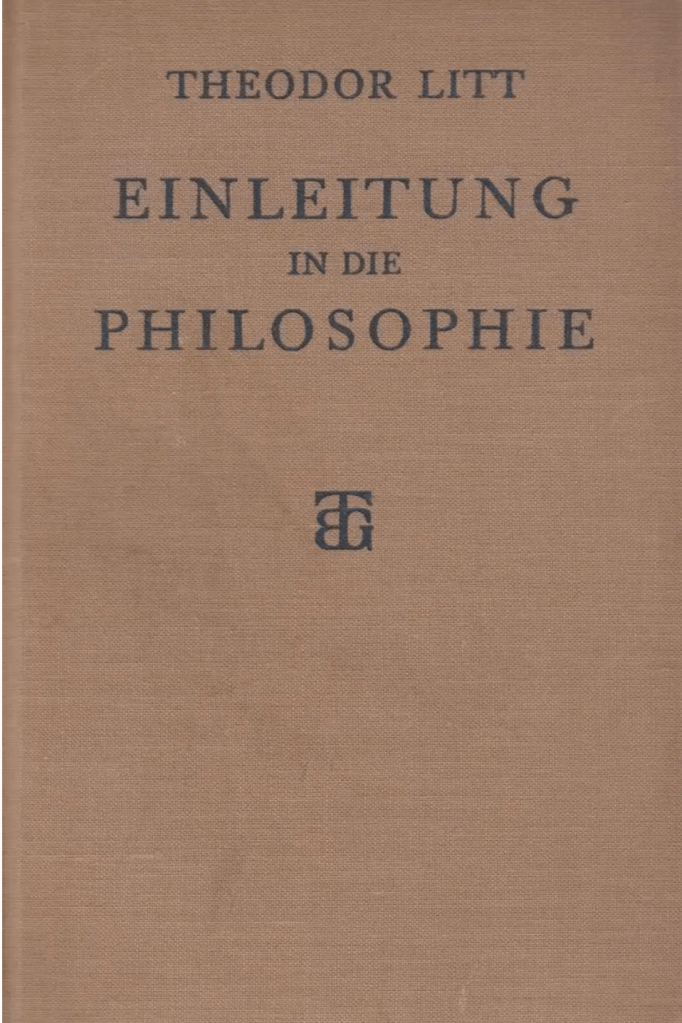
Da war es, Buchstabe P, Philosophie! Das Wort verstand ich nicht, aber ich kannte es oder erkannte es wieder, denn ich hatte es in einem Interview eines Magazins gelesen. Da ging es um einen Musiker, der etwas „Philosophisches“ gesagt haben sollte. Ich fand den Musiker gut, also wollte ich jetzt wissen, was Philosophie ist. Meine Eltern kannten sich da auch nicht aus, aber die kannten sich sowieso mit nichts aus, außer mit Arbeiten gehen, jeden Tag, und immer ganz früh aufstehen. Jedenfalls ging ich jetzt in die Abteilung „Philosophie“ und schaute die Buchrücken entlang. Ja, ich konnte zwar lesen, schon lange, aber ich verstand dennoch nichts oder fast nichts. Gleichwohl – „gleichwohl“ hätte ich mit Dreizehn nicht mal buchstabieren können – gleichwohl also, gleichwohl fand ich die braunen und roten Buchrücken mit den silberfarbenen oder schwarzen Buchstaben sehr beeindruckend. Bücher können staubig aussehen, auch wenn gar kein Staub darauf zu sehen ist. Schließlich griff ich ein Buch heraus und las ehrfürchtig: Theodor – wer heißt denn so? – Theodor Litt: Einleitung in die Philosophie. Aha. Das war doch was. Ich schlug es gleich in der Mitte auf: „Zur Reflexion zweiten Grades“ stand da als Überschrift – kursiv, also musste es wichtig sein. Ich erinnere mich vage, was ich dachte, etwa so was: Reflexion – das ist sowas wie Nachdenken. Also Nachdenken über das Denken?

Hm, das klang interessant, also rätselhaft. Was das wohl heißen sollte? Naja, ermutigt durch den Griff zum Buch, aber immer noch ein bisschen gelangweilt, drehte ich mich um.

Die Bücher hinter meinem Rücken waren rot, größer und sahen schöner aus. Eine Gesamtausgabe: Sigmund Freud, den Namen hatte ich schon gehört. Ah, die Traumdeutung, das klang fast vertraut. – Schlecht sortierte Bibliothek, denkt ihr? Nein, aber hinter mir fing (für mich damals unbemerkt) schon die Abteilung Psychologie an. – Ich blätterte: Äußere Reizquellen (für Träume), las ich. Ich versuchte mir das zu erklären. Ja, wenn morgens der Wecker klingelt und ich weiterschlafend von einem Wecker träume, das muss eine äußere Reizquelle sein. Jetzt war ich mächtig stolz auf mich. Ich hatte was verstanden. Aber die Traumdeutung war mir definitiv zu dick, als Buch. Ich musste ja den ganzen Weg nach Hause laufen. Also zog ich ein anderes Buch raus. „Zwang, Paranoia und Perversion“ stand da drauf. Ich wusste nicht, was Paranoia ist, aber das Buch war nicht so schwer zu tragen und die anderen Wörter hatte ich schon mal gehört.

Das klang interessant. Ich war jetzt interessant, mit dem Buch unterm Arm. Ich nahm das Buch also mit und machte mich stolz und ein bisschen verwandelt auf den Heimweg.       

_____

Die Leseszenen sind ein Versuch, über verschiedene Leseerfahrungen zu schreiben – zur Vorbereitungs des im letzten Post genannten Leseprojekts mit Irmtraud Hnilica.

On autosociobiography and Tracey Thorn as a philosopher

Where do I begin? I’m getting into a new genre, fairly new at least for me: autosociobigraphy. While the term seems to have been coined by Annie Ernaux (see here for a volume on the genre), this kind of autobiography is perhaps not entirely new: As I understand it, it is an autobiography that does not merely give an account of one’s own life, but also presents it as a sociological or political analysis.* So this genre doesn’t just add a bit of reflection. Rather, it seems to be designed as an approach to (social) reality through a first-person narrative. Of course, sociology is not the only discipline in which this kind of approach is a clear enrichment. But although we also see autobiographies of philosophers and receive them as philosophical works, the potential of this genre leaves much space to be explored.** So, how about an autophilobiography? After all, a decidedly personal approach opens up the possibility to give pride of place to experience – a concept much cherished but also often banned for a supposed lack of universality. A fairly recent attempt at an autobiographical approach to philosophy I can recommend is Michael Hampe’s What for? A philosophy of purposelessness (Wozu? Eine Philosophie der Zwecklosigkeit). Reading this made me think that this is what I, among other things, want: If you are a more regular reader, you’ll know that I attempt to use a decidedly personal perspective now and then to make a point (a perhaps obvious piece is the one on the phenomenology of writing). Yet, once we allow that the autobiographical approach doesn’t have to be implemented in an entire book, we can see that there are a lot of reflections that are worthwhile bits of philosophy in this sense. Let me give just one example:

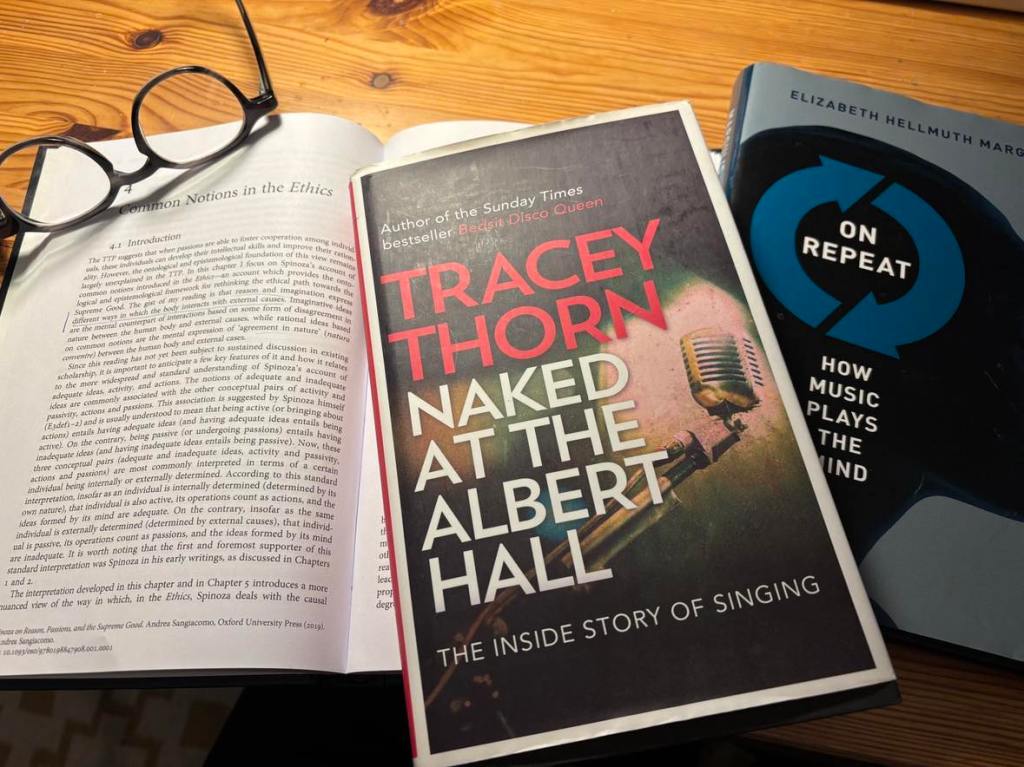
Being interested in the history of music in the 20th century in particular, I swallowed Tracey Thorn’s Bedsit Disco Queen where she describes the music scene of her early years before Everything But The Girl was formed in Hull, England. This as well as her more recent Another Planet can certainly count as autosociobiographies. While Thorn is a great singer and writer, I was equally taken by her reflections on singing in her essay collection Naked at the Albert Hall. Reading her account of singing inspired me to reconsider Spinoza’s philosophy of mind and particularly his account of philosophical therapy (I just finished a paper draft involving Thorn and Spinoza).  I think that Thorn, while describing her way into singing, is really expressing a kind of reflection that Spinoza would deem an approach to philosophical therapy in the sense of re-ordering ideas about what matters. Let me just quote from her first essay in Naked at the Albert Hall:

“When did you know you could sing? people ask me. How did you even start? Where does your voice come from, is it from inside your head or inside your body? … I’ve written before that it was a disappointment to me when I realised I wouldn’t be Patti Smith, but that was a little way off in the future when I first heard her in 1979. … My first reaction to Patti Smith was one of possibility. I wanted to be her because a) on the cover of the record she looked like a boy, and I felt that I pretty much looked like a boy, and she made looking like a boy a beautiful thing; and b) the first time I tried to sing along with those opening lines on Horses, I realised in fact that I could sound like her. … Low, dark boyish, it existed in a space that seemed familiar, and contained the echoes of the sound I was tentatively exploring in the privacy of my bedroom. Joining in with her I found that we did indeed occupy the same ground, and without knowing how or why I had an immediate sense of my voice ‘fitting’. Imagining this to be a conceptual ‘fit’, I of course believed that I sounded a bit like Patti Smith because we were alike, it was a metaphysical connection being made. And in doing so I fell into the first and most basic misconception about vocal influence – the idea that it transcends the physical. Now I believe that the reason she implanted herself into my imagination as my first vocal influence was the simple accident of vocal range … My perfect, ideal range. Still the place I most like to sing. … Almost the entire Horses album is pitched perfectly for me … Joining in with Patti on these songs was a joyous experience, utterly secret … The basic physical coincidence of our vocal ranges connected us not just ideologically, but physiologically. … The lungs propel air, which passes through the vocal chords, making them vibrate and producing the sound we use for either speaking or singing. But unlike any other instrument, these components are your own actual body parts, and the sound you make is both defined and limited by your anatomy. As an instrumentalist you might practice and adapt your technique in order to follow the style and sound of players you like … But as a singer there is only so much you can ever do to adapt the sound of your voice to emulate singers. We label as inspirational those whose sound lives somewhere close to our own …” (Thorn 2015, 3-6)

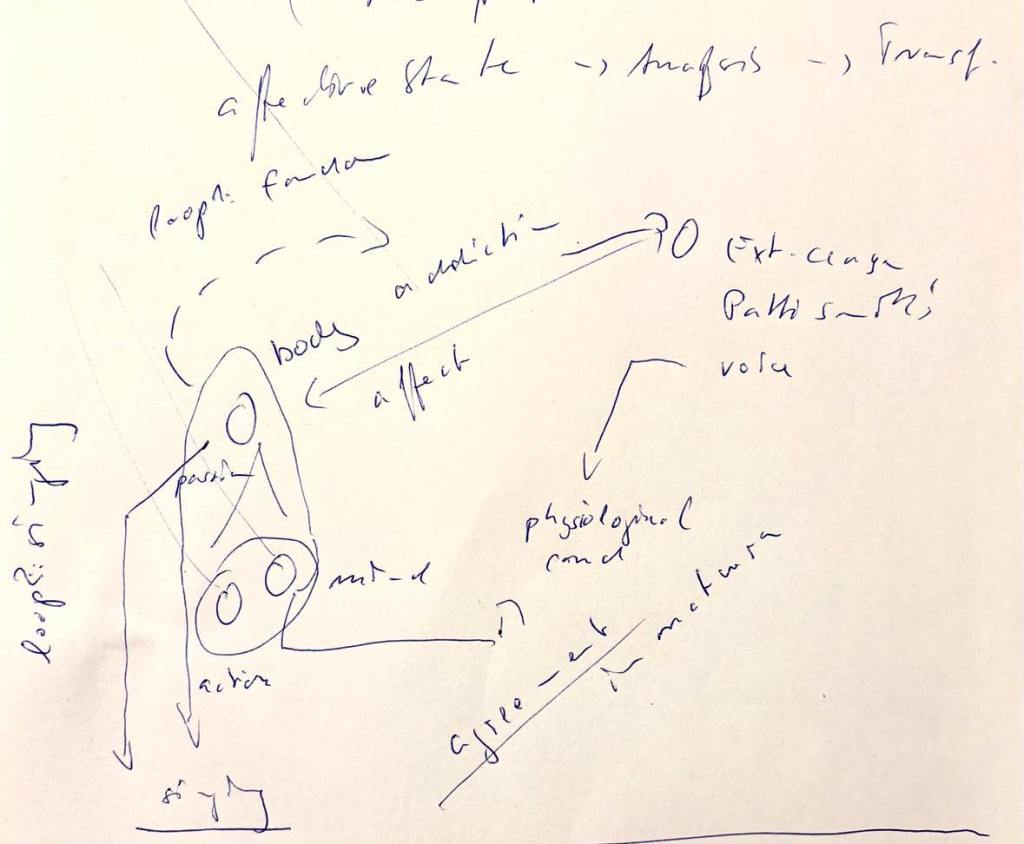
There is a lot in these observations. A couple of years ago, I took her observations as an anchor to think about active forms of listening to music. But now I think this goes deeper and exemplifies how we re-evaluate experiences and thus change (narratives about) ourselves. Apart from the aspiration and attraction depicted, it is clear that the author, Thorn, takes her body to be in agreement with that of Patti Smith, at least as far as the conditions for singing are concerned, and that that agreement is physiological. At the same time, the author realises that this agreement is easily confused with one of personality. But what she is describing is a common concept of her physiologically determined vocal range in agreement with that of Patti Smith. In Spinoza’s terms, Thorn, getting this more distinct concept of her physiological likenesses with Patti Smith, is revealing an agreement in nature. Arguably, while the initial exposure to Smith’s voice in 1979 is a confused attraction, the account Thorn gives in 2015 is a therapeutic disentanglement of the initially confused concept, distinguishing the external or distal cause, Smith’s voice, from the internal or proximate cause, her own voice, and the resonance between them, i.e. the agreement.

(An early attempt at scribbling down Tracey Thorn’s account as it relates to Spinoza’s Ethics)

____

* Dirk Koppelberg kindly corrected me on FB and offered the following charactrisation: “As I read Annie Ernaux, she does not “also” present a sociological or political analysis of her life but delivers an aesthetically arranged and composed description of it that illuminates certain sociological and political determinants of her life. This kind of writing seems to me an aesthetically challenging alternative to a sociological and political analysis in the strict sense.”

** The autosociobiographical approach will also figure in a project on reading as a social practice that I’m currently planning together with Irmtraud Hnilica. Stay tuned for updates on this project soonish.